
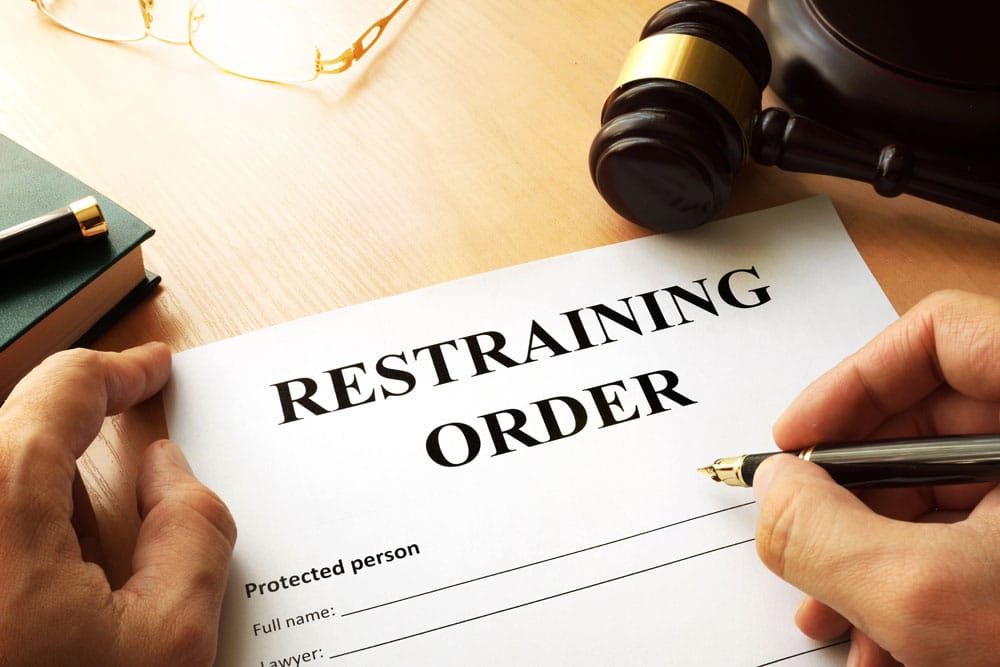
A Detailed Guide on How to Get a Restraining Order for Protection
Feeling unsafe in your own home or relationship is an isolating experience. You might be wondering if your situation is serious enough for legal intervention, or perhaps you are simply overwhelmed by the complexity of the legal system. It is common to feel hesitant, but your safety and the safety of your children should always come first.
At LEDA Lawyers, we provide practical and compassionate legal support to help you navigate these difficult times. We understand the nuances of Australian family law and are here to help you understand how to get a restraining order so you can regain your peace of mind and security.
Understanding Restraining Orders and Orders of Protection
When you hear people talk about protection orders, they are referring to legal commands issued by a court. Their core purpose is simple. They keep a person safe by restricting the behaviour and movements of someone else. These orders act as a legal shield, providing the police with the power to intervene quickly if the restricted person breaks the rules.
The primary goal of any protection order is to prevent future violence or harassment. It is not about punishing the other person for the past, although past actions are used as evidence. Instead, it is a preventative measure designed to ensure that you can live, work, and move freely without fear.
Restraining Orders vs. Orders of Protection
In Australia, the terminology can be confusing because it changes depending on which state or territory you live in. You might hear terms such as:
- Apprehended Domestic Violence Order (ADVO) in NSW.
- Intervention Order (IVO) in Victoria.
- Family Violence Restraining Order (FVRO) in Western Australia.
Regardless of the name, the function is largely the same. A restraining order usually refers to a broad order preventing contact or proximity. Across Australia, a common umbrella term is “Domestic Violence Order (DVO)”, but the exact name still depends on your state or territory. “Protection Order” is also a specific legal term in some places (for example, Queensland), so it is best to use the term used in your jurisdiction when looking for forms or local guidance.
It is also important to know the difference between domestic/family violence orders (for intimate or family relationships) and “personal” or “misconduct” orders (for issues involving a neighbour, co-worker, or stranger). The process and the right order can differ depending on that relationship.
When are These Measures Necessary?
Legal intervention is necessary the moment you feel a credible threat to your safety. You do not need to wait for physical violence to occur. If there is a pattern of stalking, intimidation, or threats that make you fear for your wellbeing, seeking a court order is a proactive step toward immediate safety.
Eligibility and Grounds: Identifying Family and Spousal Abuse
To understand how to get the right type of protection order in your state or territory, it is important to know what the law considers abuse. Under Australian law, family violence is defined broadly. It is not limited to physical hits or bruises.
What is Considered Family Violence?
Family violence includes any behaviour by a person towards a family member that is violent, threatening, coercive, or controlling, or causes the family member to be fearful. This includes:
- Physical Abuse: This involves hitting, pushing, or restraining.
- Sexual Abuse: This includes non-consensual contact or coercion.
- Emotional or Psychological Abuse: This often looks like constant insults, gaslighting, or social isolation.
- Financial Abuse: This involves someone controlling your access to money or preventing you from working.
- Property Damage: This might include breaking your phone or punching holes in walls to intimidate you.
Technology-facilitated abuse can also be relevant. This may include tracking your location, repeatedly monitoring your accounts or devices, or using technology to harass or intimidate you.
Identifying “Spousal Abuse” (and Other Relationship Types)
Spousal abuse specifically involves these behaviours within a marriage or de facto relationship. However, domestic and family violence protections can also apply beyond spouses, including some dating relationships and other close relationship types recognised by law. If your partner monitors your movements, checks your phone without permission, or threatens to harm themselves if you leave, these may be valid grounds for seeking protection.
How to Get a Restraining Order in Australia
Taking legal action can feel daunting, but the process is designed to be accessible to those in need.
How to Report Domestic Violence or Spousal Abuse
If you are in immediate danger, call 000. The police are often the first point of contact. Police can help put immediate protections in place, but the “on-the-spot” process is not identical in every state.
For example, in NSW police generally apply for a Provisional ADVO (rather than issuing one unilaterally), while some jurisdictions can issue short-term notices or police orders that take effect immediately.
Filing an Application with the Court
If the situation is not an immediate emergency but you still require protection, you can apply directly to the Local Court.
- The Application: You will fill out a form explaining why you need protection.
- Gathering Evidence: While your testimony is evidence, it helps to have diary entries, screenshots of threatening texts, or photos of damaged property.
- The Interim Order: In many cases, a Judge can make an interim or temporary order before the other person is even told about the application. This ensures you are safe while the legal process moves forward.
Safety risks can escalate quickly. If you are questioning whether you should apply, it is usually a sign that you should at least consult with a legal professional. Taking urgent action ensures that the legal system is aware of your situation before a crisis occurs.
Support Services and Supporting Someone Else
Legal orders are only one piece of the puzzle. Long-term safety requires a holistic approach.
Accessing Counseling and Safety Planning
A Safety Plan is a practical map for what to do if you need to leave quickly. This includes having a go-bag with essentials and a safe place to stay. Services such as 1800RESPECT (1800 737 732) offer 24/7 support for safety planning and counseling.
How to Help a Friend or Family Member
If you are worried about someone else, you might wonder how to report spousal abuse on their behalf. While you can call the police if you witness an immediate crime, the best way to help is to:
- Listen without judgement.
- Offer a safe place to stay or use a phone or computer.
- Encourage them to speak with a lawyer to understand their rights.
- Avoid pressuring them. Instead, empower them with information.
Taking the First Step Toward Long-Term Safety
Obtaining a restraining order is a brave step toward a life free from fear. It sends a clear message that violence and control are not acceptable. While the legal process involves several steps, you do not have to walk this path alone.
Formal legal protection provides the framework you need to rebuild. By combining a court order with support services and expert legal advice, you can secure a safer future for yourself and your family.