
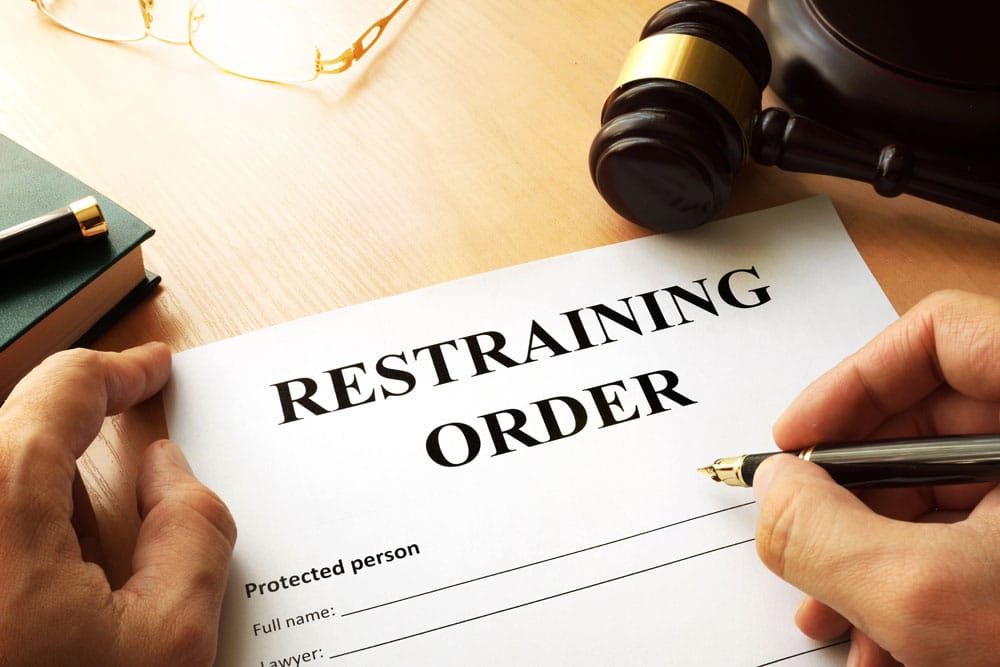
Feeling unsafe in your own home or relationship is an isolating experience. You might be wondering if your situation is serious enough for legal intervention, or perhaps you are simply overwhelmed by the complexity of the legal system. It is common to feel hesitant, but your safety and the safety of your children should always come first.
At LEDA Lawyers, we provide practical and compassionate legal support to help you navigate these difficult times. We understand the nuances of Australian family law and are here to help you understand how to get a restraining order so you can regain your peace of mind and security.
How Do You Get a Restraining Order in Australia?
The process for getting a restraining order depends on the state or territory where you live and your relationship with the person you need protection from. In Australia, different jurisdictions use different names for these orders, including Apprehended Domestic Violence Orders (ADVOs), Intervention Orders and Family Violence Restraining Orders (FVROs).
Generally, you can seek protection by:
- Contacting the police if you are experiencing domestic or family violence or are in immediate danger.
- Applying to the relevant court for a protection order where a court application is appropriate.
- Providing information and evidence about the behaviour causing you to fear for your safety.
- Seeking legal advice to understand which type of order applies and what conditions may be appropriate.
The exact procedure varies between states and territories, so it is important to use the terminology and application process that applies in your jurisdiction.
For example, in NSW, an Apprehended Domestic Violence Order (ADVO) may apply where the parties have or had a domestic relationship. A person may also be able to seek an Apprehended Personal Violence Order (APVO) where there is no domestic relationship, such as in some disputes involving neighbours or workmates. Legal Aid NSW provides further information about applying for an AVO.
Understanding Restraining Orders and Orders of Protection
When you hear people talk about protection orders, they are referring to legal orders that restrict the behaviour of another person to protect someone from violence, intimidation, harassment or other harmful conduct.
Their core purpose is simple. They keep a person safe by restricting the behaviour and, where appropriate, contact or proximity of someone else. These orders can provide police with the power to intervene if the restricted person breaches the conditions of the order.
The primary goal of a protection order is to prevent future violence or harassment. It is not primarily about punishing the other person for the past, although past actions and behaviour may be relevant evidence when seeking an order. Instead, protection orders are preventative measures designed to help you live, work and move freely without fear.
Restraining Orders vs Orders of Protection
In Australia, the terminology can be confusing because it changes depending on which state or territory you live in. You might hear terms such as:
| Jurisdiction | Common terminology |
|---|---|
| New South Wales | Apprehended Domestic Violence Order (ADVO) and Apprehended Personal Violence Order (APVO) |
| Victoria | Family Violence Intervention Order (FVIO) |
| Western Australia | Family Violence Restraining Order (FVRO) |
| Other Australian jurisdictions | Different forms of domestic, family or personal violence orders may apply |
Regardless of the name, these orders are generally designed to protect people from specified harmful behaviour. However, the precise legal requirements, terminology, application process and conditions differ between jurisdictions.
Across Australia, “Domestic Violence Order” (DVO) is commonly used as an umbrella term, but the exact name of the order still depends on your state or territory. “Protection Order” is also a specific legal term in some places, including Queensland, so it is best to use the term used in your jurisdiction when looking for forms or local guidance.
Australian DVOs issued from 25 November 2017 are automatically recognised and enforceable across Australia under the National Domestic Violence Order Scheme. This means that moving between states or territories does not automatically remove the protection provided by a recognised DVO.
It is also important to know the difference between domestic or family violence orders, which generally apply to intimate, family or other legally recognised relationships, and personal violence or misconduct orders, which may apply to issues involving a neighbour, co-worker or stranger. The process and the type of order available can differ depending on that relationship.
When Are These Measures Necessary?
Legal intervention may be appropriate when you fear for your safety or the safety of another person. You do not necessarily need to wait for physical violence to occur. Depending on the jurisdiction and circumstances, stalking, intimidation, threats, harassment, controlling behaviour and other forms of abuse may be relevant to an application.
For example, NSW law allows an ADVO to be made where the relevant legal requirements are satisfied, including circumstances involving fear of a domestic violence offence, intimidation or stalking.
Eligibility and Grounds: Identifying Family and Spousal Abuse
To understand how to get the right type of protection order in your state or territory, it is important to know what the law considers family or domestic violence. Family violence is not limited to physical injuries or assaults.
What Is Considered Family Violence?
Family violence can include behaviour that is violent, threatening, coercive or controlling. The precise legal definition varies between jurisdictions.
Examples may include:
- Physical abuse: This involves hitting, pushing, restraining or other physical violence.
- Sexual abuse: This includes non-consensual sexual contact or coercion.
- Emotional or psychological abuse: This can include constant insults, intimidation, gaslighting or social isolation.
- Financial abuse: This can involve controlling access to money, restricting financial independence or preventing someone from working.
- Property damage: This might include breaking a phone or punching holes in walls to intimidate someone.
Technology-facilitated abuse can also be relevant. This may include tracking your location, repeatedly monitoring your accounts or devices, or using technology to harass or intimidate you.
Because the legal definitions differ between jurisdictions, it is important to obtain advice about how the specific behaviour in your circumstances is treated under the law that applies to you.
Identifying “Spousal Abuse” and Other Relationship Types
Spousal abuse specifically involves harmful behaviour within a marriage or de facto relationship. However, domestic and family violence protections can also apply beyond spouses, including some dating relationships and other close relationship types recognised by law.
If your partner monitors your movements, checks your phone without permission, threatens you, stalks you, intimidates you or threatens to harm themselves if you leave, these behaviours may be relevant when seeking legal protection. The legal significance of particular behaviour depends on the jurisdiction and circumstances.
How to Get a Restraining Order in Australia
Taking legal action can feel daunting, but protection-order processes are designed to provide a way for people at risk to seek legal protection.
1. Report Domestic Violence or Spousal Abuse
If you are in immediate danger, call 000. The police are often the first point of contact when domestic or family violence occurs.
Police can help put immediate protections in place, but the “on-the-spot” process is not identical in every state and territory.
For example, in NSW, police can apply for a Provisional AVO to provide temporary protection while the matter progresses to court. In Western Australia, police may issue a temporary Police Order for up to 72 hours in appropriate family violence circumstances.
2. File an Application With the Relevant Court
If the situation is not an immediate emergency but you still require protection, you may be able to apply directly to the relevant court, depending on your jurisdiction.
In NSW, for example, a person may be able to make a private application for an AVO through the Local Court if the police do not apply on their behalf.
- The application: You will need to provide information explaining why you require protection.
- Gathering evidence: While your testimony may be relevant evidence, it can also help to have diary entries, screenshots of threatening texts, emails or social media messages, photographs of damaged property and other records of relevant behaviour.
- The interim order: In appropriate cases, a court can make an interim or temporary order before the matter is finally determined. This can provide protection while the legal process continues.
3. Prepare Relevant Evidence
It can be useful to keep a record of incidents that support your concerns. Depending on the circumstances, relevant material may include:
- Dates and descriptions of incidents.
- Threatening or abusive text messages and emails.
- Call records or relevant voicemail messages.
- Photographs of injuries or property damage.
- Social media messages or posts.
- Police event numbers or reports.
- Medical or counselling records where relevant.
- Evidence of stalking, monitoring or technology-facilitated abuse.
- Details of witnesses who may have relevant information.
Do not put yourself at greater risk to collect evidence. Your immediate safety should take priority.
4. Understand the Conditions of the Order
A protection order may contain conditions restricting what the respondent can do. Depending on the order and jurisdiction, conditions may restrict contact, communication, approaching certain people or places, or other specified behaviour.
Read the order carefully and seek legal advice if you do not understand a condition.
5. Report Any Breach
If the person breaches the conditions of a protection order, contact the police as soon as it is safe to do so.
In NSW, breaching an AVO is a criminal offence and police may arrest and charge the person where there is sufficient evidence. The consequences of a breach can vary according to the circumstances and jurisdiction.
Safety risks can escalate quickly. If you are questioning whether you should seek protection, consider obtaining legal advice about your circumstances rather than waiting for the situation to become more serious.
What Evidence Do You Need for a Restraining Order?
The evidence required will depend on the jurisdiction and the type of protection order being sought. You should provide the court or police with clear and accurate information about the behaviour that has caused you to seek protection.
Evidence may include your own account of events, messages, photographs, records, witness information, police reports and other material relevant to the circumstances.
Keep records in a safe location and avoid accessing or storing evidence in a way that could increase your risk if another person has access to your devices or accounts.
Support Services and Supporting Someone Else
Legal orders are only one piece of the puzzle. Long-term safety may require a combination of legal protection, practical support and safety planning.
Accessing Counselling and Safety Planning
A safety plan is a practical map for what to do if you need to leave quickly. This may include having a go-bag with essentials, identifying a safe place to stay, keeping important documents accessible and considering how to safely access support services.
Services such as 1800RESPECT provide confidential domestic, family and sexual violence counselling, information and support 24 hours a day, seven days a week. You can call 1800 737 732, text 0458 737 732, or use online chat and video call services.
View the 1800RESPECT safety planning checklist.
Technology and Online Safety
If you believe someone is monitoring your phone, accounts or online activity, consider whether it is safe to access support services from your usual device. Technology can create additional safety and privacy risks where an abusive person has access to a device or account.
Read 1800RESPECT’s technology safety information.
How to Help a Friend or Family Member
If you are worried about someone else, you might wonder how to report spousal abuse on their behalf. While you can call the police if you witness an immediate crime or believe someone is in immediate danger, the best way to help is to:
- Listen without judgement.
- Offer a safe place to stay or help them access a safer phone or computer.
- Encourage them to speak with a lawyer at LEDA Lawyers to understand their rights.
- Help them access specialist support services.
- Avoid pressuring them. Instead, empower them with information and support.
Taking the First Step Toward Long-Term Safety
Obtaining a restraining order is a brave step toward a life free from fear. It provides a legal framework for protecting you from specified behaviour and can help establish clear boundaries around contact and conduct.
While the legal process involves several steps, you do not have to walk this path alone.
Formal legal protection can provide an important framework for safety. By combining a court order with support services and appropriate legal advice, you can take practical steps towards a safer future for yourself and your family.
If you need assistance with an application or want to discuss your options, our team is here to listen. We provide confidential and expert guidance tailored to your specific situation.
Learn more about our Sydney family lawyers or family law legal advice.
Contact LEDA Lawyers at (02) 8528 7590 or email us on [email protected] or [email protected].
Frequently Asked Questions (FAQs)
How long does it take to get a restraining order?
The timeframe depends on the jurisdiction, the urgency of the situation and whether the application is contested. In urgent circumstances, police may be able to put temporary protection in place. Court applications may also result in interim protection where the relevant legal requirements are satisfied. Final orders can take longer, particularly if the other party contests the application.
Does the other person have to be arrested for me to get an order?
No. A person does not necessarily have to be arrested or charged with a criminal offence before a protection order can be made. The requirements for obtaining an order depend on the relevant state or territory legislation and the circumstances of the application.
In NSW, for example, an AVO itself does not result in a criminal conviction. However, breaching the order can be a criminal offence.
What happens if the person breaks the restraining order?
If the respondent breaches any conditions of the order, contact the police as soon as it is safe to do so. Breaching an AVO or other protection order can be a criminal offence, although the precise offence and consequences depend on the jurisdiction and type of order.
In NSW, police can investigate an alleged AVO breach and may arrest and charge the defendant where there is sufficient evidence.
Can I get a restraining order if there has not been physical violence?
Potentially, yes. Physical violence is not the only behaviour that can be relevant to a protection order. Depending on the jurisdiction and circumstances, psychological, financial and emotional abuse, stalking, intimidation, harassment, threats, controlling behaviour and technology-facilitated abuse may be relevant.
For example, NSW law recognises conduct involving intimidation and stalking when determining whether an ADVO should be made, subject to the requirements of the legislation.
Can I get a restraining order against someone who is not my partner?
Potentially. The type of order available can depend on your relationship with the other person. Domestic or family violence orders generally address relationships recognised by the relevant legislation, while personal violence or similar orders may apply in circumstances involving people such as neighbours or workmates.
The appropriate application and legal test depend on the state or territory where you live.
Will a restraining order protect me if I move interstate?
Domestic Violence Orders issued in Australian states and territories are generally recognised and enforceable nationally under the National Domestic Violence Order Scheme. However, you should seek legal advice if you move interstate or if your circumstances change, particularly if you need to vary the conditions of an order.
If you or someone you know is in immediate danger, call 000. For confidential domestic, family and sexual violence support, you can contact 1800RESPECT on 1800 737 732, available 24 hours a day, seven days a week.